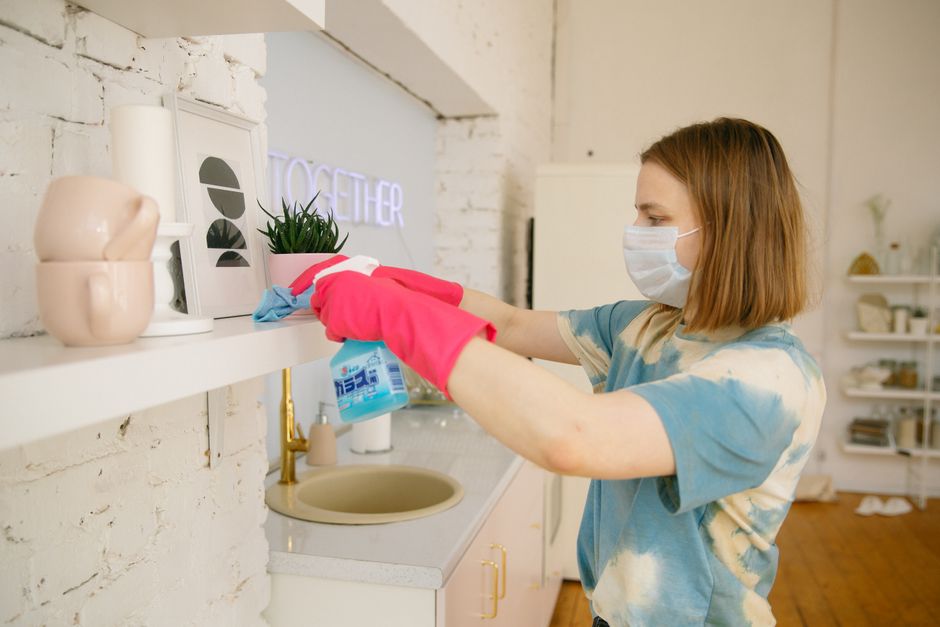
East Finchley N2 Barnet flat cleaning guide for tenants
If you are moving out, handing a flat back to a landlord, or just trying to keep things tidy before an inspection, this East Finchley N2 Barnet flat cleaning guide for tenants will help you get organised without the usual stress. End-of-tenancy cleaning can feel oddly overwhelming: one minute you are packing boxes, the next you are staring at skirting boards, oven grease, and a bathroom that somehow looks dirtier after you started. Funny how that happens.
Truth be told, most tenants do not need a dramatic deep-clean plan. They need a clear, practical method that tells them what matters, what can be left, and what is worth doing properly so the property is ready for check-out. This guide covers that in plain English, with a focus on the kinds of flats people rent in East Finchley and across Barnet: compact kitchens, shared hallways, small bathrooms, and those little corners that are easy to forget until the last minute.
You will find step-by-step cleaning guidance, common mistakes to avoid, a practical checklist, and a realistic view of what landlords and letting agents usually expect. No fluff. No panic. Just a sensible route to a better handover.
Table of Contents
- Why East Finchley N2 Barnet flat cleaning guide for tenants matters
- How the cleaning process works
- Key benefits and practical advantages
- Who this is for and when it makes sense
- Step-by-step guidance
- Expert tips for better results
- Common mistakes to avoid
- Tools, resources and recommendations
- Law, compliance, standards, or best practice
- Options, methods, or comparison table
- Case study or real-world example
- Practical checklist
- Conclusion
- Frequently asked questions
Why East Finchley N2 Barnet flat cleaning guide for tenants Matters
Tenants often assume flat cleaning is just about being tidy enough to look decent. In reality, end-of-tenancy standards are usually higher than day-to-day living standards. That is especially true in London flats, where compact rooms, busy lifestyles, and heavy use of kitchens and bathrooms can leave marks that are not obvious until you stop and look closely.
In East Finchley and across Barnet, many rented flats are managed by letting agents who expect the property to be returned in a clean, presentable condition, often in line with the inventory or check-in record. That does not mean every surface must look brand new. But it does mean the property should be cleaned thoroughly enough that the next tenant can move in without extra work.
Why does this matter so much? Because a poor handover can lead to awkward disputes, withheld deposits, or stressful back-and-forth over things that would have been easy to handle earlier. To be fair, most issues are preventable. A good clean is not just about appearance; it is about evidence. It shows that you respected the property and took the return process seriously.
There is also a practical side. If you are moving on a deadline, the last thing you want is to discover baked-on grease in the oven at 9pm the night before checkout. That sort of moment can turn a manageable job into a scramble. A clear guide saves time, money, and a fair bit of head-banging.
For tenants, this is really about control. You may not control how the flat was decorated, how old the carpets are, or how hard the water has been on the taps. But you can control the standard of the clean you leave behind. And that can make a real difference.
How East Finchley N2 Barnet flat cleaning guide for tenants Works
At its simplest, the process works by cleaning the flat room by room, then checking the results against what was there when you moved in. Think of it less like a general tidy and more like a structured reset. You are aiming for consistency, not perfection for its own sake.
Most move-out cleans follow three stages:
- Preparation: remove personal items, recycling, and rubbish; check your tenancy paperwork; gather the right tools.
- Deep cleaning: tackle the kitchen, bathroom, floors, fixtures, storage spaces, and hard-to-see areas.
- Final inspection: look for missed marks, odours, streaks, limescale, and dust in corners, behind doors, and under furniture.
That final inspection matters more than people think. A flat can look clean at a glance and still fail a checkout review because of a greasy extractor fan, dusty skirting, or stains on a toilet base. The lighting in flats is not always forgiving either. Morning light through a north-facing window can reveal everything, which is mildly rude of it, but there we are.
The guide also works best when you clean in the right order. Start high and work down. Dust first, then surfaces, then floors. If you mop before wiping down shelves, you will simply create more work. Same with bathrooms: limescale and soap scum are easier to remove before you do the final polish.
If you are using a professional cleaner, the same logic applies. A proper end-of-tenancy clean should follow a structured checklist, not random tidying. Whether you do it yourself or hire help, the goal is the same: present the flat in a condition that matches reasonable tenancy expectations.
Key Benefits and Practical Advantages
A good cleaning plan is not just about "getting it done". It brings a few very real advantages that tenants often appreciate only after the fact.
- Better chance of deposit return: A clean flat reduces avoidable disputes over dirt or neglect.
- Less stress on moving day: You are not panicking over crumbs in the fridge or dust on the blinds five minutes before checkout.
- Cleaner handover: Landlords and agents usually notice when a property has been properly cared for.
- Faster final inspection: If the property is already in good order, the checkout can be smoother and less confrontational.
- Healthier environment: Removing dust, mould-prone grime, and food residue is simply better for the space and for you while you are still living there.
There is also a confidence benefit that people do not talk about enough. When the flat is clean, boxed up, and ready, the whole move feels less chaotic. You walk out of the place knowing you did your part properly. That feeling is worth something.
For families, sharers, or tenants moving out after a long tenancy, the right approach can also stop arguments. Everyone knows who cleaned what, what was left, and what evidence there is. That matters in real life, especially when one person swears they already cleaned the hob and another person is looking at it like, well, clearly not.
Who This Is For and When It Makes Sense
This guide is useful for a few different types of tenants. If any of these sound like you, it makes sense to follow the process closely.
- Tenants at the end of a fixed-term tenancy who need to return the flat in good condition.
- People ending a rolling tenancy and preparing for a final inspection.
- Room tenants in shared flats where responsibilities are split and paperwork matters.
- Tenants who are moving locally within Barnet or East Finchley and need to coordinate packing and cleaning at the same time.
- Busy professionals or families who want a clear method rather than trying to clean in a hurry at the end.
It also makes sense if your tenancy agreement includes specific cleaning expectations. Many agreements mention that the flat should be left in a clean and tidy condition, and some inventories are much more detailed than others. If your last check-in report includes notes about stains, limescale, or wear, use that as your reference point.
Let's face it, not every tenant has the same amount of time or energy. Some people can spend a Saturday doing a full deep clean. Others are juggling work, moving vans, children, and a stairwell that seems to eat boxes for fun. This guide is built for real life, not idealised theory.
If you are unsure whether to clean it yourself or hire help, a good rule is this: if the flat is small, lightly used, and already fairly tidy, DIY may be enough. If the property has been occupied for a long time, has a lot of grime, or includes carpets, ovens, and bathroom limescale, a more thorough approach is often needed.
Step-by-Step Guidance
Here is a practical route you can follow without overcomplicating things. This is the sort of method that works in most East Finchley flats, whether you are in a studio, a converted Victorian property, or a modern apartment with awkward corners and very determined dust.
1. Start with the paperwork
Before you clean anything, look at your tenancy agreement, inventory, and any check-in photos you still have. These documents tell you what the property looked like when you moved in and what standards may be expected at handover. If there were marks, stains, or pre-existing wear, make a note of them. Do not clean blind.
2. Declutter and remove everything personal
Take out all belongings first: clothes, toiletries, food, bins, paperwork, cable clutter, fridge items, and anything hiding under beds or behind sofas. This makes the real cleaning easier and prevents the classic "I'll deal with that later" pile from migrating from room to room.
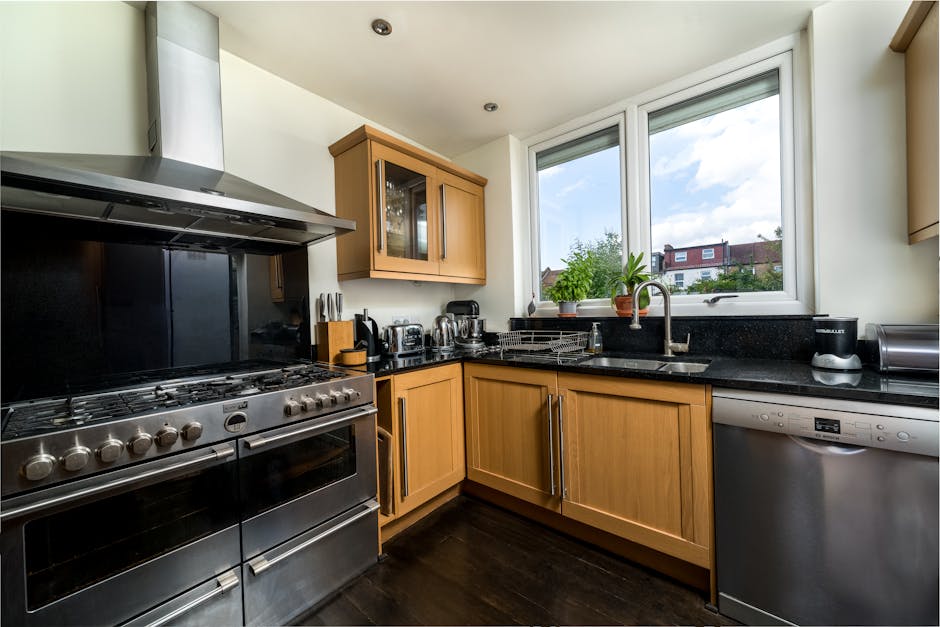
3. Clean the kitchen from top to bottom
The kitchen is usually the most inspected room. Focus on:
- oven, hob, extractor hood, and splashback
- cupboards inside and out
- fridge, freezer, and seals
- sink, taps, and drainer
- countertops and tile grout
- bin area and floor edges
Do the greasy jobs early. Oven cleaning takes longer than people expect, especially if it has not been maintained regularly. A quick wipe at the end is not the same as removing built-up residue. Not even close.
4. Tackle the bathroom properly
Bathrooms need more than a cosmetic clean. Work on the toilet, bath or shower tray, tiles, sink, taps, mirror, grout, extractor fan, and any mould-prone corners. Limescale on taps and shower screens is one of those things that catches people out. It looks minor until the room is inspected in daylight.
If there is mould, deal with it carefully and safely. Light surface mould can often be cleaned, but deeper issues may point to ventilation problems or damp that should be reported. Do not overstate what a cleaner can fix if there is an underlying property issue.
5. Dust, wipe, and freshen the living areas
In the lounge and bedrooms, work from ceiling fixtures down to skirting boards. Wipe shelves, switches, door handles, internal windows, radiators, and visible marks on walls where allowed by your tenancy agreement. Clean inside wardrobes and drawers too. Those are easy to forget, and agents do check them. A bit cheeky, but they do.
6. Handle floors carefully
Vacuum carpets thoroughly, paying attention to edges, under furniture, and along door frames. If you have hard floors, sweep first, then mop with a suitable cleaner. In a small flat, floors pick up crumbs and dust quickly, especially if you have been moving boxes around. Watch the corners. Dust loves corners.
7. Finish with windows, mirrors, and final touches
Once the main cleaning is done, polish mirrors, wipe glass, clean windows if they are reachable and safe to clean, and do a final odour check. Open a window for a short period if weather allows. Fresh air can help a flat feel cleaner straight away, especially after heavy kitchen work.
8. Do a final walk-through with the inventory in mind
Stand at the front door and look at the flat as someone else would. What stands out first? Is there dust on the skirting? A ring in the bath? Finger marks on doors? This last check often catches the small things that separate "tidy enough" from "properly cleaned".
Expert Tips for Better Results
There are a few small habits that make a surprisingly big difference. These are the sorts of things experienced tenants and cleaners learn the hard way, usually after one rushed move and a very annoying deposit email.
Use the right products for the job. An all-purpose spray is useful, but it will not always remove limescale, grease, or bathroom soap scum effectively. Match the cleaner to the surface or the mess, and test in an unseen spot if you are unsure.
Work room by room, not task by task across the whole flat. It is tempting to "do all the dusting first", then all the vacuuming, then all the wiping. In practice, that can waste time. Cleaning one room fully before moving on often feels less chaotic.
Take before-and-after photos. This is not about being dramatic. It is just sensible documentation. If there is any dispute later, photographs can help show the condition you left behind.
Pay attention to the invisible stuff. That means extractor fans, behind toilets, inside bins, under appliances if they are movable, and tops of cupboard doors. Nobody likes these jobs. Fine. Do them anyway.
Work backwards from checkout time. If the final inspection is at 11am, do not plan your deep clean for 7am that morning. Leave a buffer in case you find something that needs a second pass.
A small tip that helps more than people expect: keep a damp microfibre cloth handy for the final touch-ups. A quick wipe can remove fingerprints, dust, and streaks just before you leave. Very simple. Very effective.
Expert summary: the best results usually come from steady preparation, a proper kitchen and bathroom clean, and a final inspection that treats the flat like an examiner would. You do not need to be perfect. You do need to be thorough.
Common Mistakes to Avoid
Most tenancy cleaning problems come from a few repeat mistakes. Avoid these and you are already ahead of the game.
- Leaving cleaning until moving day: once boxes are everywhere, every job takes longer.
- Ignoring the oven and fridge: these are among the most commonly checked appliances.
- Forgetting hidden areas: tops of doors, behind radiators, and inside cupboards matter more than many tenants expect.
- Using the wrong product: some surfaces need specific treatment, especially glass, stainless steel, and stone.
- Assuming "visibly tidy" is enough: tidy and properly cleaned are not the same thing.
- Not checking the inventory: if you do not know what standard you are aiming for, you can miss the mark.
One more common slip: people clean around stuff instead of moving it. That leaves dust lines, crumbs, and hidden grime exactly where the next person will notice it. Move the chair. Open the drawer. Lift the mat. Annoying, yes. Necessary, absolutely.
Another one is over-wetting floors or fabrics. In a flat, especially a compact one, excess moisture can leave smells, streaks, or damage. Use just enough product and give surfaces time to dry. Rushing can make things worse, which is, frankly, deeply unhelpful.
Tools, Resources and Recommendations
You do not need a van full of equipment to clean a rented flat well. A sensible set of tools is usually enough.
| Tool or item | Why it helps | Best used for |
|---|---|---|
| Microfibre cloths | Lift dust and polish surfaces without leaving much lint | General wiping, glass, mirrors, and final touch-ups |
| Vacuum cleaner with attachments | Reaches edges, furniture bases, and soft furnishings | Carpets, skirting edges, corners, upholstery |
| Bathroom descaler | Helps remove limescale and hard-water marks | Taps, shower screens, sinks, and tiles |
| Degreasing cleaner | Breaks down kitchen grease more effectively than plain spray | Hob, extractor hood, splashback, cupboard fronts |
| Scrub sponge or non-scratch pad | Useful for built-up marks without damaging surfaces | Oven trays, sinks, bathroom fixtures |
| Bin bags and storage boxes | Keeps clutter under control while you clean | Decluttering and waste removal |
If you are dealing with a particularly stubborn oven, stained carpet, or heavy limescale, it may be worth deciding early whether DIY is realistic. That is where a landlord, letting agent, or professional cleaning service can become part of the decision. If your move also involves other property services, it can be useful to understand related support such as end of tenancy cleaning, especially when you are comparing options for a full handover.
Keep in mind that you do not have to overbuy products. Half the battle is consistency, not a trolley of branded sprays. A few well-chosen items, used carefully, will go a long way. The smell of a freshly cleaned flat at the end of the day? Quite satisfying, actually.
Law, Compliance, Standards, or Best Practice
Tenant cleaning is not usually about legal drama, but it does sit inside a wider rental framework. In practical terms, you are generally expected to return the property in a clean and tidy condition, taking account of fair wear and tear and the condition recorded at the start of the tenancy.
That is the part many people misunderstand. You are not expected to reverse normal use. A carpet that has aged naturally or paint that has faded over time is not the same as avoidable dirt, grease, or neglect. The sensible benchmark is the inventory, check-in record, and the standard set by your tenancy agreement.
Best practice is simple:
- keep the tenancy agreement and inventory handy
- report property issues such as damp, leaks, or broken extractor fans early
- clean within the boundaries of what is safe and realistic
- avoid damaging surfaces with harsh chemicals or rough tools
- leave evidence if a pre-existing issue might be confused with poor cleaning
If something in the property is already damaged or affected by a maintenance issue, do not try to hide it with cleaning. That can make matters worse. A sensible note to the letting agent is often better than improvising. In rental life, clarity is your friend.
Where there is shared responsibility, such as in a flatshare, it also helps to agree on who is responsible for each area. That is not a legal lecture, just common sense. And common sense, in a moving week, is worth gold.
Options, Methods, or Comparison Table
Tenants usually have three realistic ways to handle a flat clean. Each has pros and limits, and the right choice depends on time, budget, and the condition of the property.
| Method | Best for | Pros | Watch out for |
|---|---|---|---|
| DIY clean | Smaller flats, lighter use, tenants with time on their hands | Lower cost, full control, flexible timing | Easy to miss hidden areas; can be tiring during a move |
| Split approach | Flatshares or tenants who can do some tasks but not all | Practical, shares workload, keeps costs manageable | Needs good coordination so tasks do not overlap or get skipped |
| Professional clean | Busy tenants, deep grime, ovens, carpets, or time pressure | Structured, faster, often more thorough | Costs more, and quality still depends on the cleaner chosen |
If you are deciding between methods, ask yourself two things: how much time do you actually have, and how strict is the likely checkout? If the answer to both is "not much" and "pretty strict", a professional option may be the calmer path. If the flat is tidy already and you are organised, DIY can work very well.
There is no universal right answer. It depends on the flat, the tenancy, and your own bandwidth. That said, underestimating the task is a classic mistake. Cleanings have a habit of growing legs.
Case Study or Real-World Example
Here is a realistic example from the kind of move many East Finchley tenants recognise.
A couple in a two-bedroom flat near East Finchley had packed most of their belongings over several evenings after work. By the time their move-out date arrived, the place looked fairly organised, but the kitchen was another story. There was grease around the hob, the fridge shelves had a sticky patch from a leaking food container, and the bathroom mirror was covered in the kind of toothpaste flecks nobody notices until the room is empty.
They split the work into a simple plan. One person dealt with the kitchen, including oven shelves, cupboard fronts, and the extractor hood. The other handled the bathroom, dusted the bedroom wardrobes, and vacuumed the carpets twice, once before and once after moving furniture out. They left a final hour for a full walkthrough, during which they found dusty skirting under the bed frame and fingerprints on the patio door.
Nothing dramatic. Nothing exotic. Just the usual overlooked bits.
What made the difference was not fancy products or a miracle cleaner. It was sequence, patience, and a final check with fresh eyes. The flat was handed back without the kind of avoidable cleaning dispute that can sour a move-out. Small effort, decent result. That is usually how it goes when people plan properly.
Practical Checklist
Use this checklist as your final run-through. It is deliberately simple, because on moving day you do not need poetry. You need a list.
- Remove all personal belongings, food, and rubbish
- Empty cupboards, drawers, wardrobes, and storage spaces
- Clean inside and outside of the oven, hob, and extractor hood
- Defrost and wipe the fridge and freezer if required
- Clean sink, taps, worktops, splashbacks, and appliance fronts
- Scrub the bathroom sink, toilet, bath, shower, and tiles
- Remove limescale, soap scum, and visible mould where safely possible
- Dust shelves, skirting boards, radiators, switches, and door frames
- Vacuum carpets and under furniture; mop hard floors
- Wipe mirrors, glass, and internal windows
- Check for marks, stains, or missed spots in corners and edges
- Open windows briefly to air the flat, if weather allows
- Take final photos after cleaning is complete
Quick take: if you can walk through the flat and nothing obvious jumps out at you, you are close to the standard most tenants need. Not perfect. Just properly finished. And honestly, that is enough in most cases.
Get a free quote today and see how much you can save.
Conclusion
Moving out of a flat in East Finchley or elsewhere in Barnet is rarely just a cleaning job. It is a closing chapter, often packed with boxes, key handovers, last-minute admin, and a bit of emotional drag too. A good cleaning plan makes that chapter cleaner in every sense.
If you follow a room-by-room method, focus on the kitchen and bathroom, check the inventory, and give yourself enough time for a proper final inspection, you will put yourself in a much stronger position. You are less likely to miss something important, less likely to argue over avoidable dirt, and more likely to leave with your energy intact. Which, after a move, is no small thing.
Keep it calm. Keep it systematic. And don't leave the oven for the final ten minutes if you can help it.
One good clean can make the whole move feel more settled, and that is a nice way to leave a place behind.
Frequently Asked Questions
What should tenants clean before moving out of a flat?
Tenants should clean the kitchen, bathroom, floors, cupboards, appliances, skirting boards, and any areas listed in the inventory. The goal is to return the property in a clean condition that matches reasonable tenancy expectations.
Do I need to hire professionals for an end-of-tenancy clean?
Not always. If the flat is small, well maintained, and you have enough time, DIY cleaning may be enough. If the property is heavily used, has an oven that needs deep cleaning, or you are short on time, a professional clean may be worth considering.
How clean does a rental flat need to be at checkout?
It should be clean enough that the landlord or letting agent does not need to arrange additional cleaning for normal use dirt. You are not expected to make the property look brand new, but you should remove built-up grime, stains, and debris.
What areas are most often checked during a tenancy inspection?
The kitchen and bathroom are usually the most closely checked, especially ovens, hobs, fridges, sinks, taps, toilets, showers, and visible limescale. Floors, cupboards, and hard-to-reach edges are also commonly reviewed.
How far in advance should I start cleaning before moving day?
Ideally, start with non-essential areas a few days before the move and leave the final clean for after most belongings have gone. That way, you can clean properly without working around boxes and furniture.
What if the flat already had marks or damage when I moved in?
Check your inventory and check-in photos. Pre-existing marks or damage should be separated from anything caused during your tenancy. Keep clear notes and, if needed, raise the issue with your landlord or agent rather than trying to guess later.
Can I use any cleaning products on all surfaces?
No. Different surfaces need different care. For example, abrasive products can damage delicate finishes, and some strong cleaners may affect stone, glass, or stainless steel. Always check labels and test where possible.
Is oven cleaning really that important?
Yes, often very important. Ovens are one of the most commonly inspected items at checkout because grease and burnt-on residue are easy to spot. A neglected oven can quickly become a deposit dispute point.
Should tenants clean carpets before handing back the keys?
If carpets are part of the tenancy and they are visibly dirty, vacuuming is the minimum. If there are stains, smells, or heavy wear, you may need a deeper clean depending on the tenancy agreement and the condition recorded at the start.
What is the biggest mistake tenants make with move-out cleaning?
The biggest mistake is leaving it too late. Once the move gets busy, people rush the job, forget hidden areas, and run out of energy before the final inspection. A planned clean almost always produces better results.
How can I tell if I have done enough cleaning?
Do a final walk-through with the inventory in mind. If the flat looks fresh, smells neutral, and the obvious dirt has been removed from kitchens, bathrooms, floors, and storage spaces, you are probably in a good place. A second opinion can help too.
Does a landlord have to accept normal wear and tear?
In general, yes, normal wear and tear is not the same as avoidable dirt or damage. A tenancy handover usually focuses on the condition of the property at the start versus the end, while allowing for ordinary ageing and everyday use.